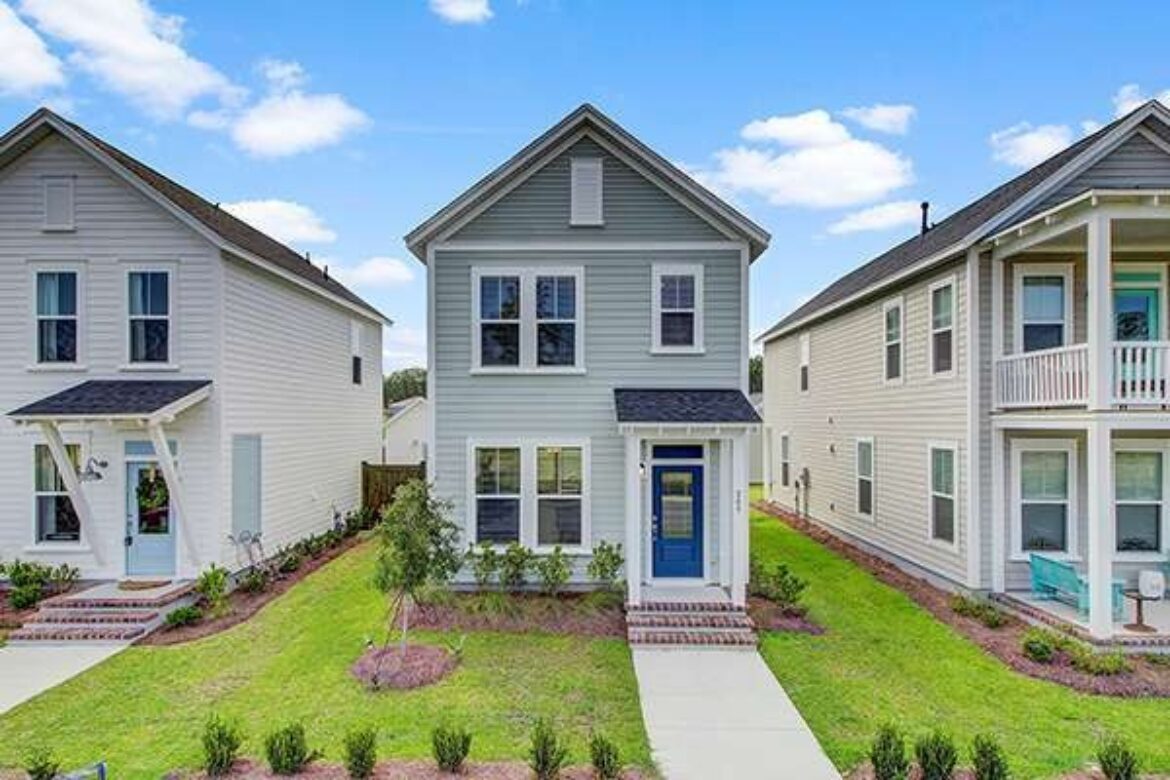
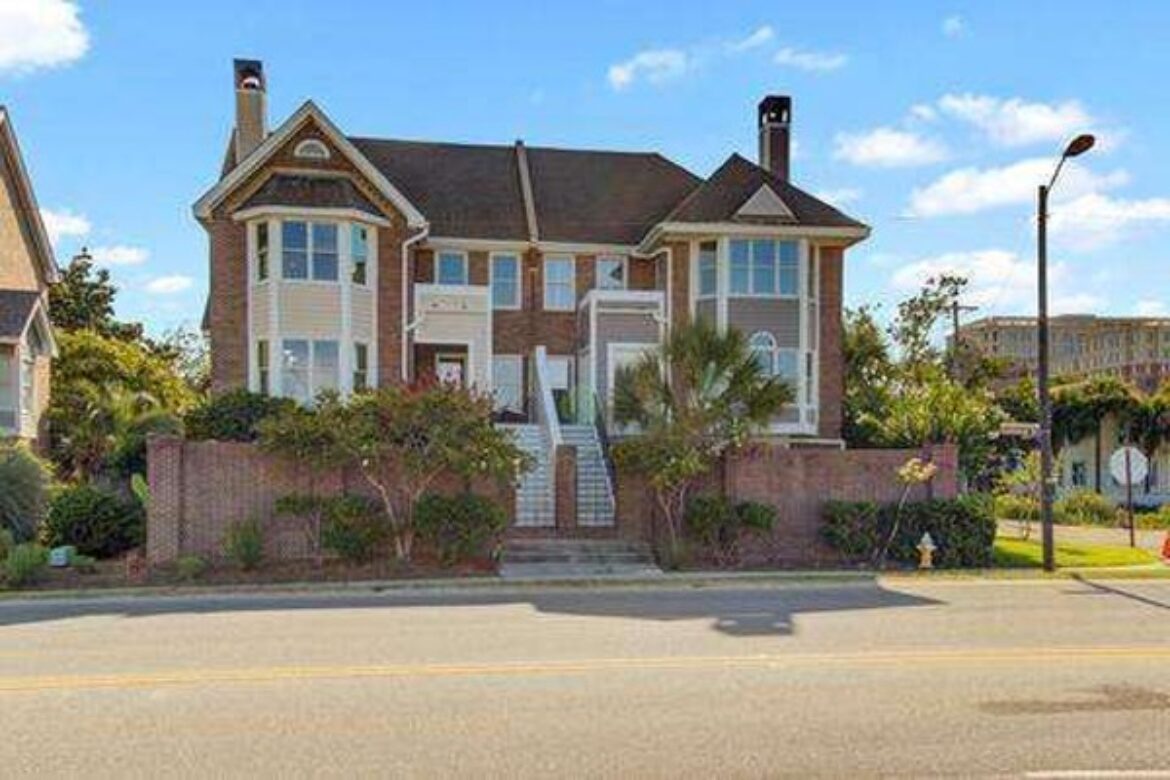
Stand out in Charleston’s rental market by finding quality tenants, keeping your property well-maintained, and marketing it effectively. Use a Charleston property management company to handle screening, maintenance, and advertising. Combining these strategies will make your rental desirable, reduce vacancies, and maximize your rental income.
Charleston’s rental market moves quickly—and renters have plenty of options. Between the historic charm downtown and the new builds across Mount Pleasant, every listing competes for attention. If you want your property to stand out, you’ll need more than a fresh coat of paint and good photos.
Tenants today look for comfort, convenience, and small touches that make a place feel cared for. From well-kept landscaping to quick responses on maintenance, every detail matters. Here’s how Charleston landlords can make their rentals the ones people remember—and apply for—before the next showing even starts.
A Charleston property management company can help you find great tenants, maintain your property in top condition, and effectively market it, so your rental gets noticed and earns a consistent income.
Choose the Right Tenants | Charleston Property Management Company
Finding the right tenants is the first step to making your rental stand out. A professional property management company can thoroughly screen applicants, verifying employment, rental history, credit, and references.
Good tenants pay rent on time, care for the property, and stay longer, which means less turnover, fewer maintenance issues, and a steady income stream that keeps your investment running smoothly year after year. They’re the kind of renters who speak up when something’s off, pay attention to the rules, and treat the place like it’s their own. That steady communication and respect go a long way in keeping the property in good shape—and make it easier to build a solid, long-term relationship with them.
Keep Your Property in Top Shape
A clean, well-maintained home is more appealing to renters. Regular inspections and maintenance by a Charleston property management company ensure that everything, from plumbing to appliances, remains in good working order.
Property managers handle emergencies promptly, ensuring tenants’ satisfaction and maintaining your home in excellent condition. Small touches like this make a big difference. When everything looks cared for—fresh paint, tidy yard, working lights—people notice. It tells them the home’s been looked after, not just listed, and that’s what makes renters stop scrolling and book a showing.
Market Your Rental Effectively
Even the best property won’t rent if no one sees it. Property managers know where renters look and how to highlight your home’s best features. From online listings and social media to local advertising, they make sure your property reaches the right audience.
Competitive pricing and effective marketing strategies can help reduce vacancies and attract high-quality tenants quickly, giving your rental a competitive edge in Charleston’s market.
Also Read: When to Call a Charleston Property Management Company for Help
Maximize Your Investment | Charleston Property Management Company
Partnering with experts like Scott Properties of Charleston ensures your rental is professionally managed and profitable. Our experienced property managers handle everything—from tenant screening and maintenance to financial accounting and legal matters.
Scott Properties of Charleston takes the stress out of property ownership by making sure your rental is always occupied, well-maintained, and earning its full potential.
If you want a rental that stands out and consistently attracts quality tenants, contact Scott Properties of Charleston today to learn how their Charleston property management services can help you succeed.